An invitation to know yourself
Which archetype lives in you?
Some parts of you lead. Others dream, protect or begin again. Meet the patterns that move through your life.
Find your archetypeTwo journeys. Forty-eight statements. A different way to see yourself.

I · Arkhē
Choose a door to begin
Masculine and feminine describe symbolic energies every person carries. Both journeys are open to you, whatever your gender.
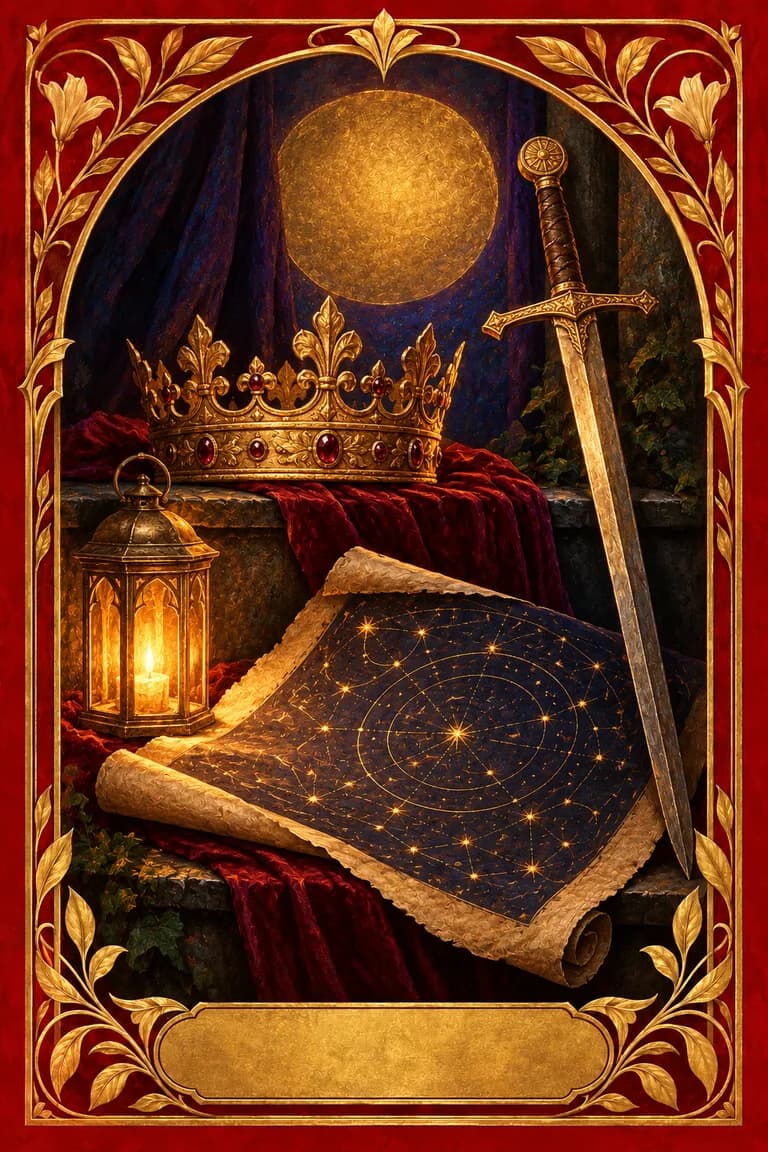
48 statements · about 5 minutes · free
The masculine archetypes
The will to act. The art of care. The search for meaning. Discover twelve ways of meeting the world.
Begin the journey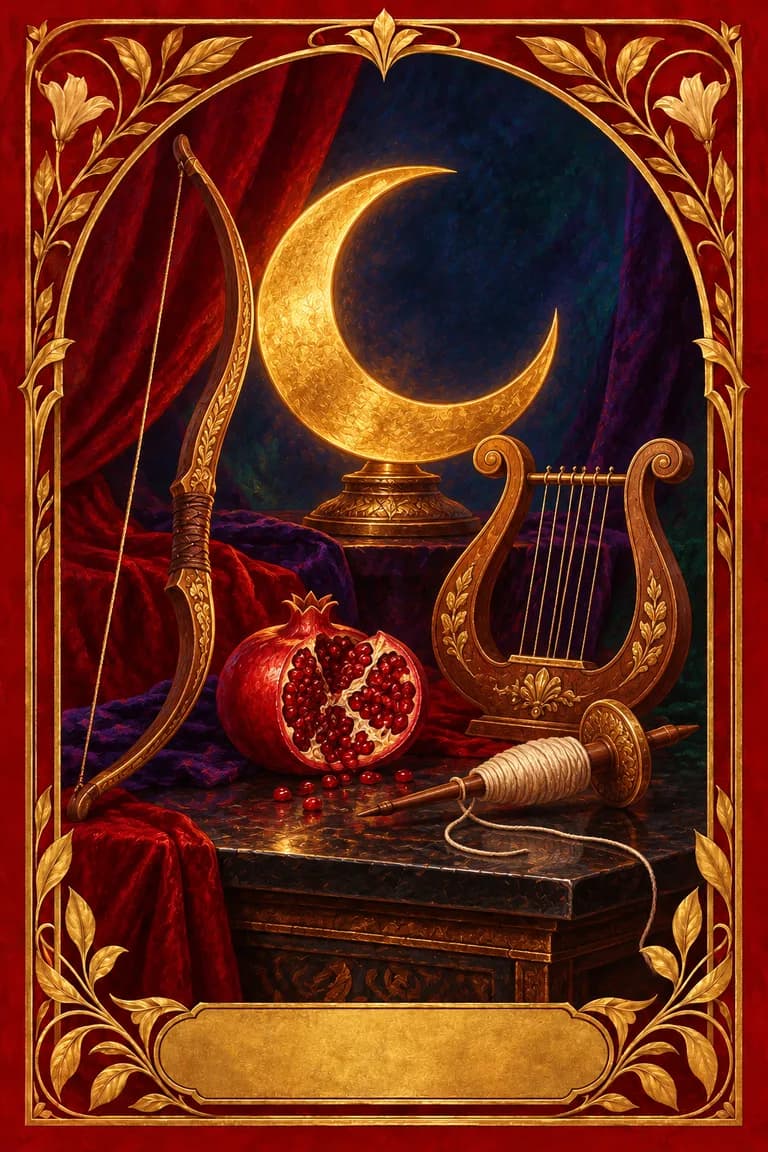
48 statements · about 5 minutes · free
The feminine archetypes
The call of instinct. The strength of connection. The space to create. Discover twelve expressions of inner life.
Begin the journeyII · Arkhē
Twenty-four ways of being
A constellation of human possibilities. Explore the cards before you find your own.
The masculine archetypes
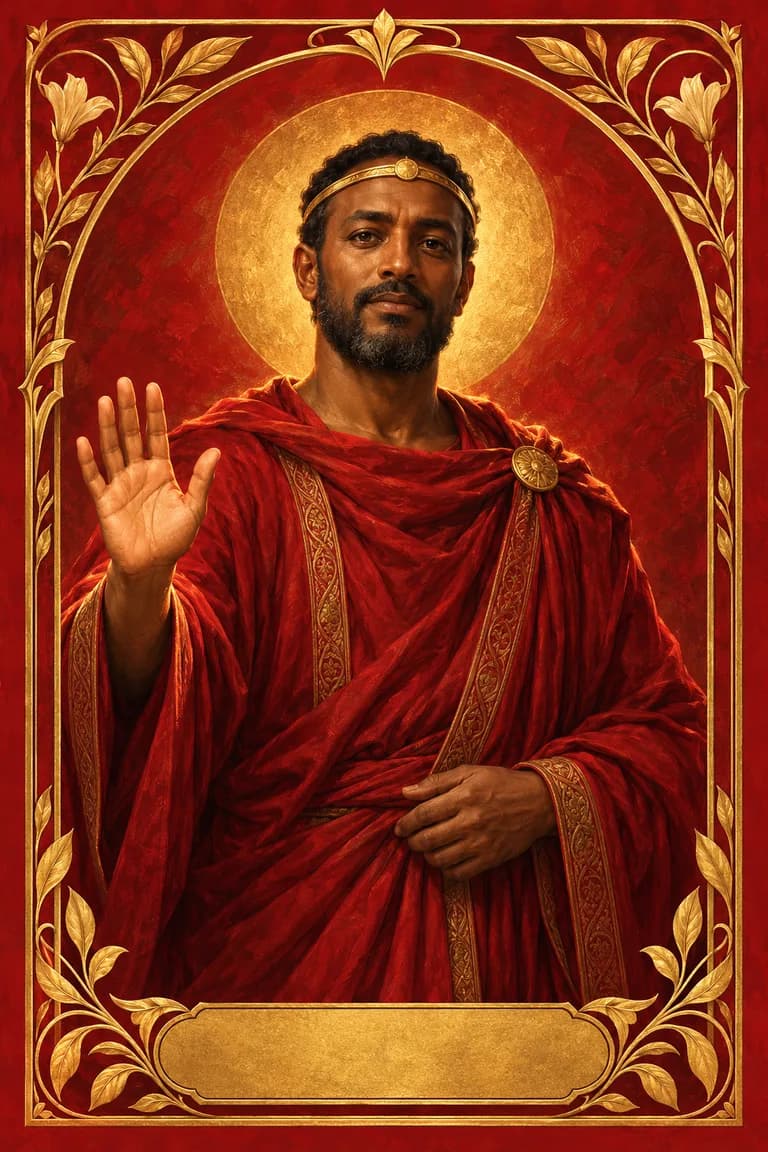
The Sovereign
Make room for others to stand tall.
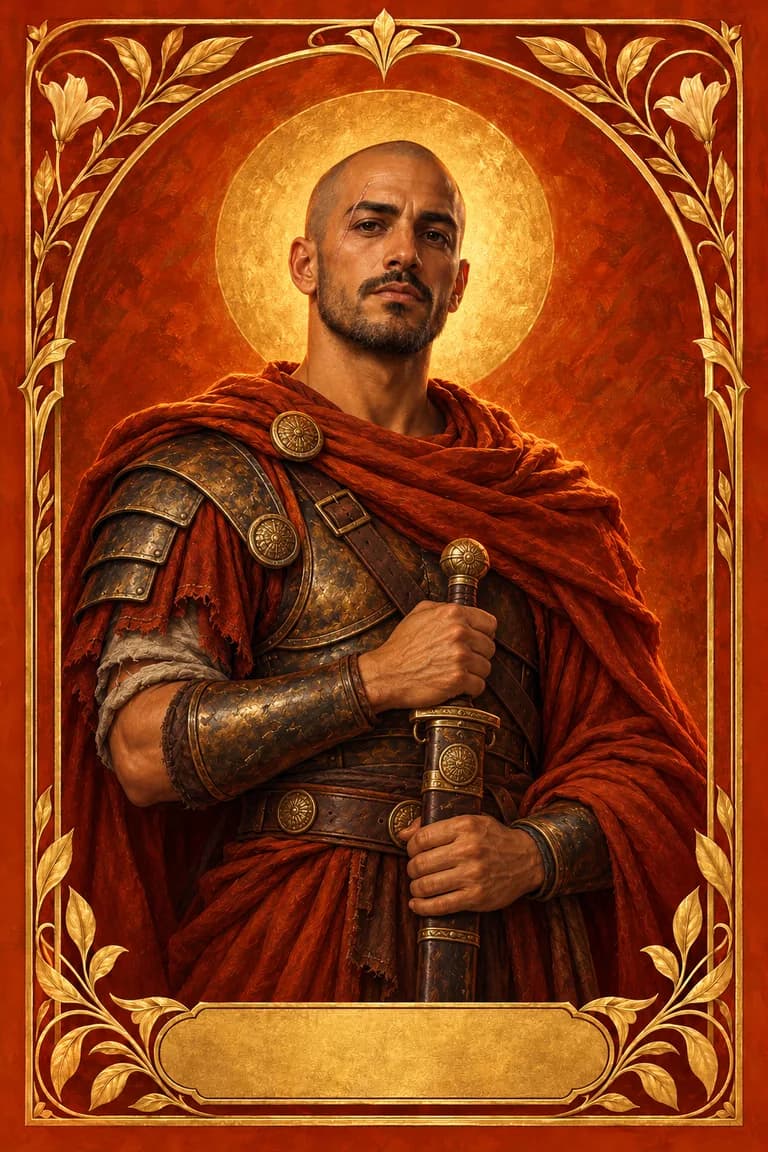
The Warrior
Give your courage a worthy direction.
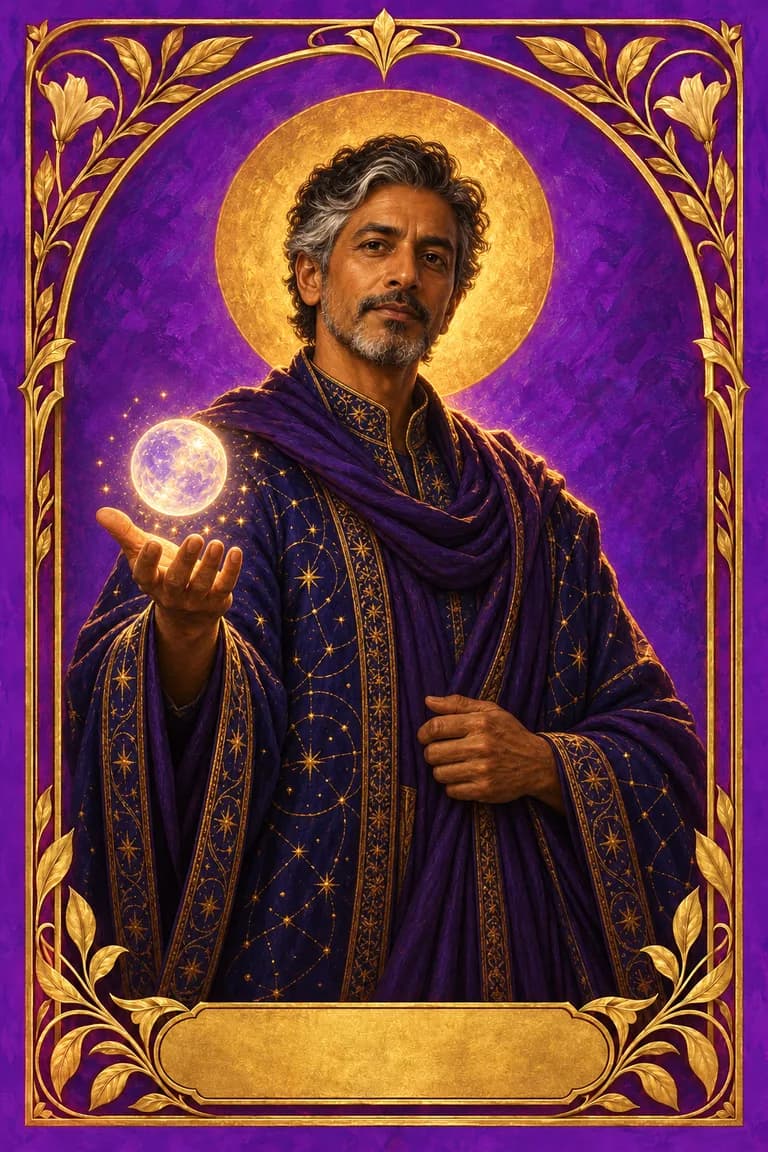
The Magician
Find the pattern that changes the possible.

The Lover
Meet the world with your whole attention.
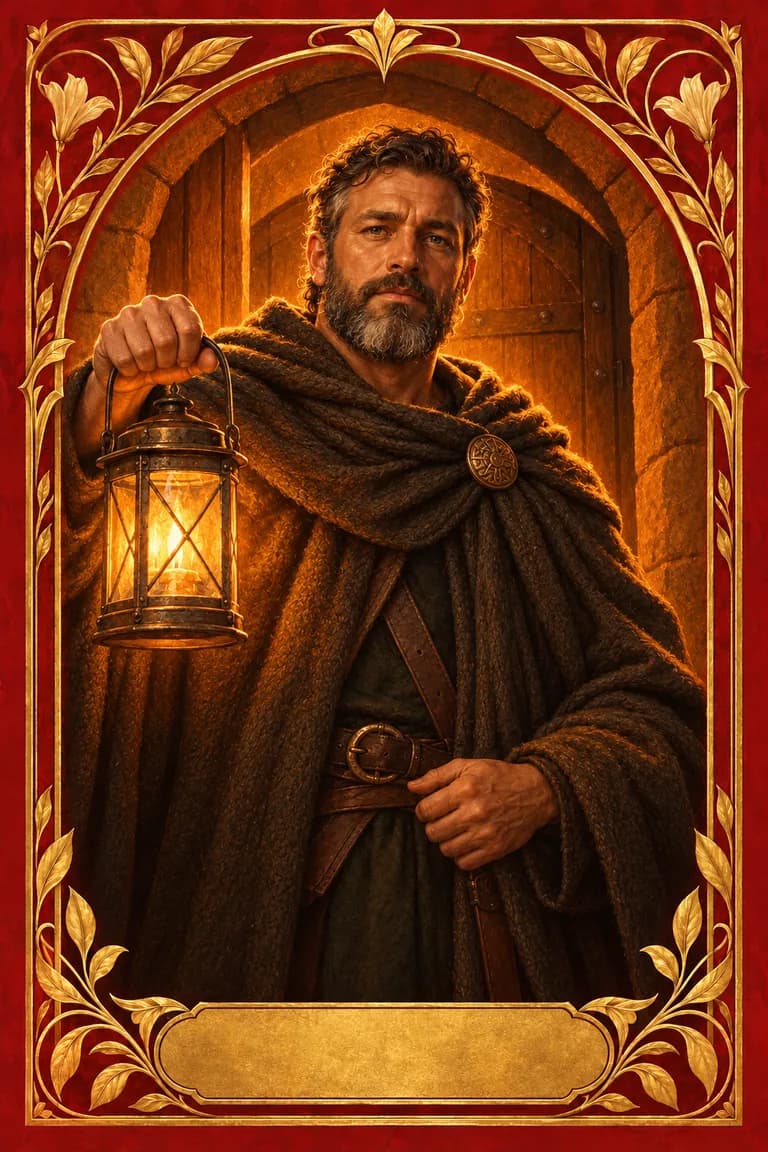
The Guardian
Build the shelter that lets life unfold.
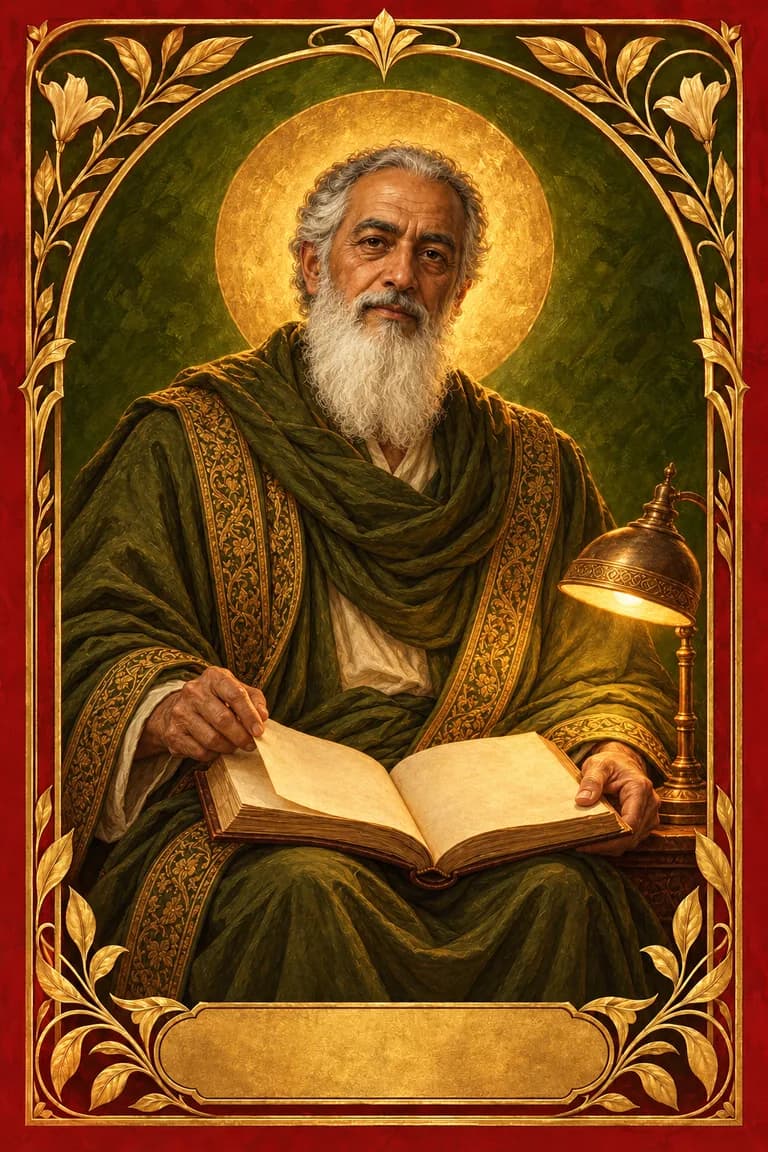
The Sage
Keep the question open long enough to learn.
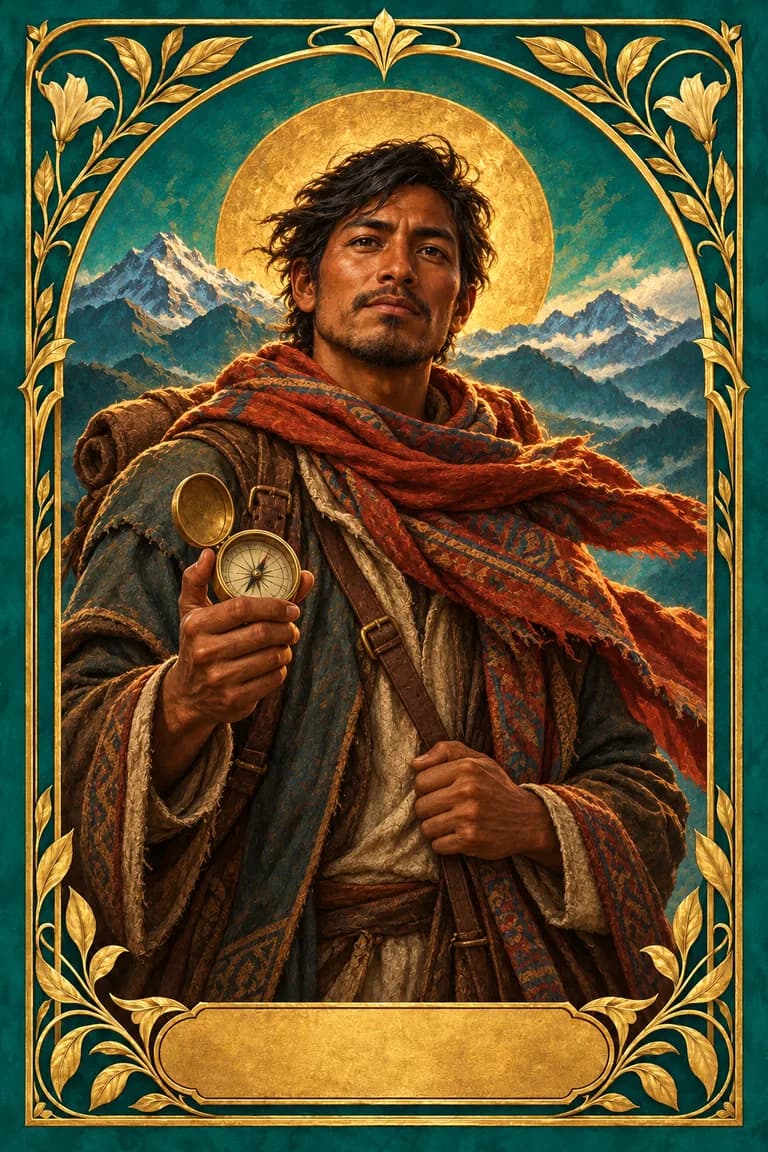
The Explorer
Let the horizon ask you a new question.
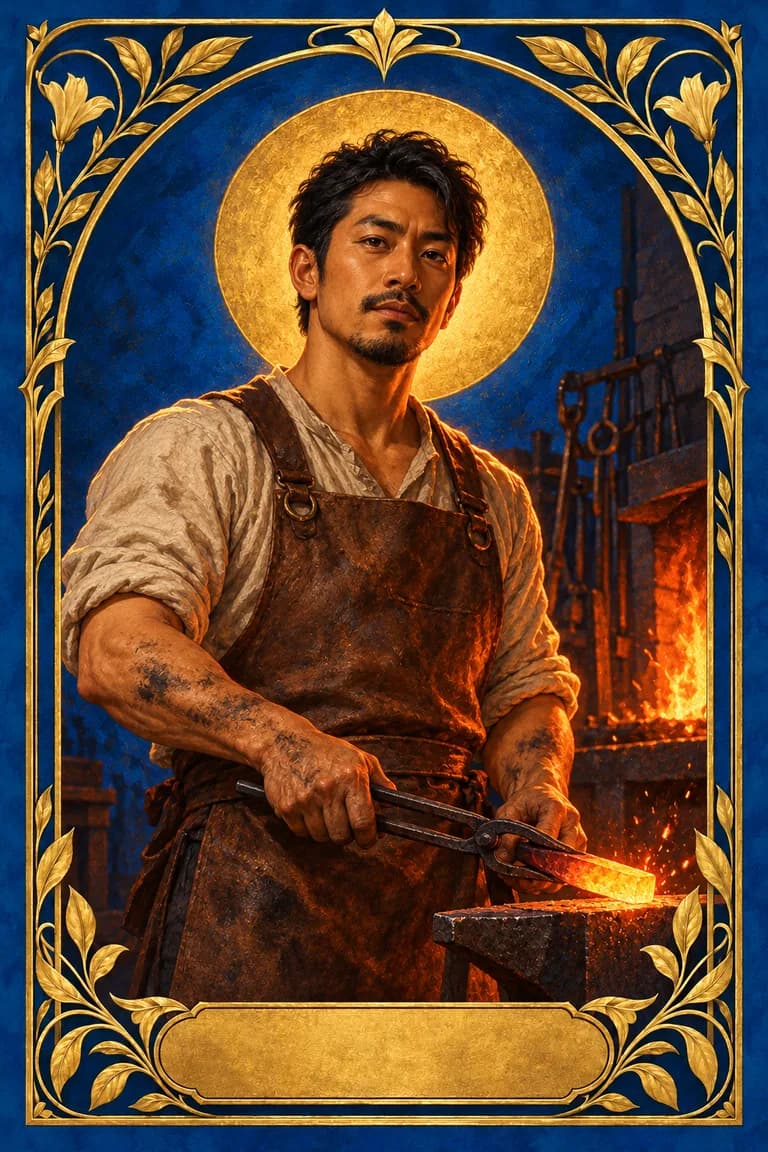
The Maker
Give your vision something the world can hold.
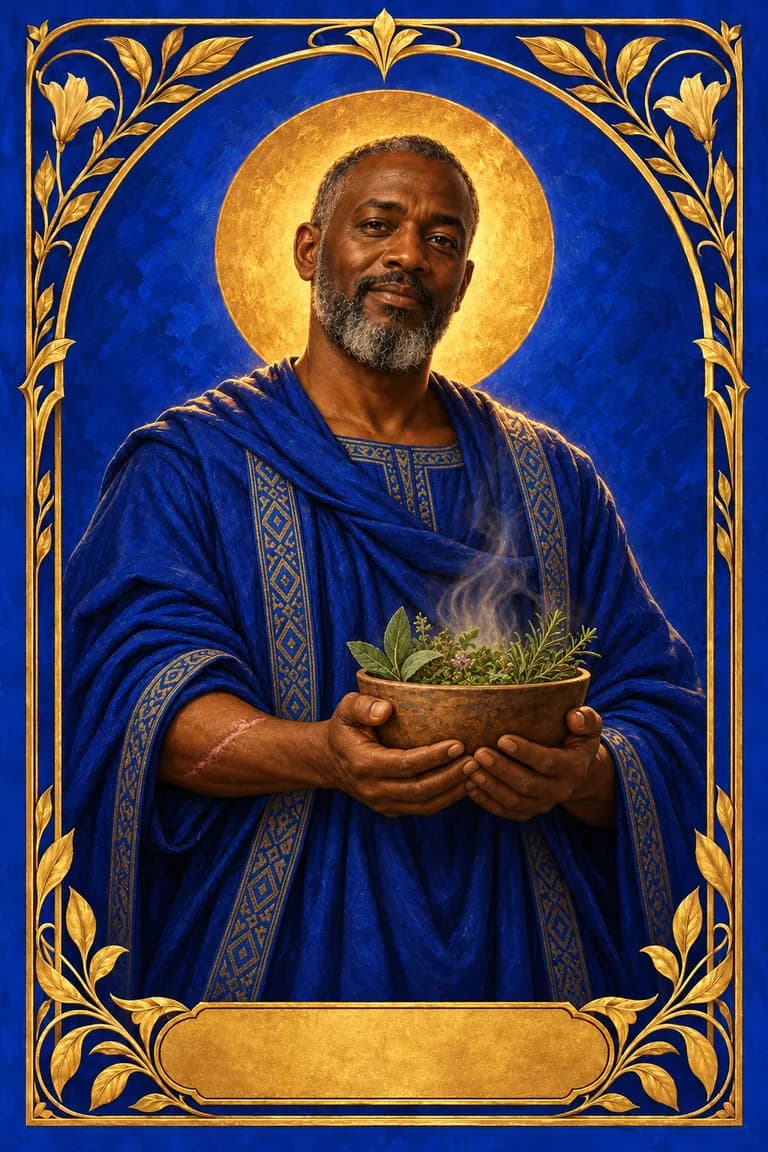
The Healer
Let experience become a place of meeting.

The Outlaw
Make an opening where the rules stopped serving life.

The Trickster
Open a little space with an unexpected laugh.
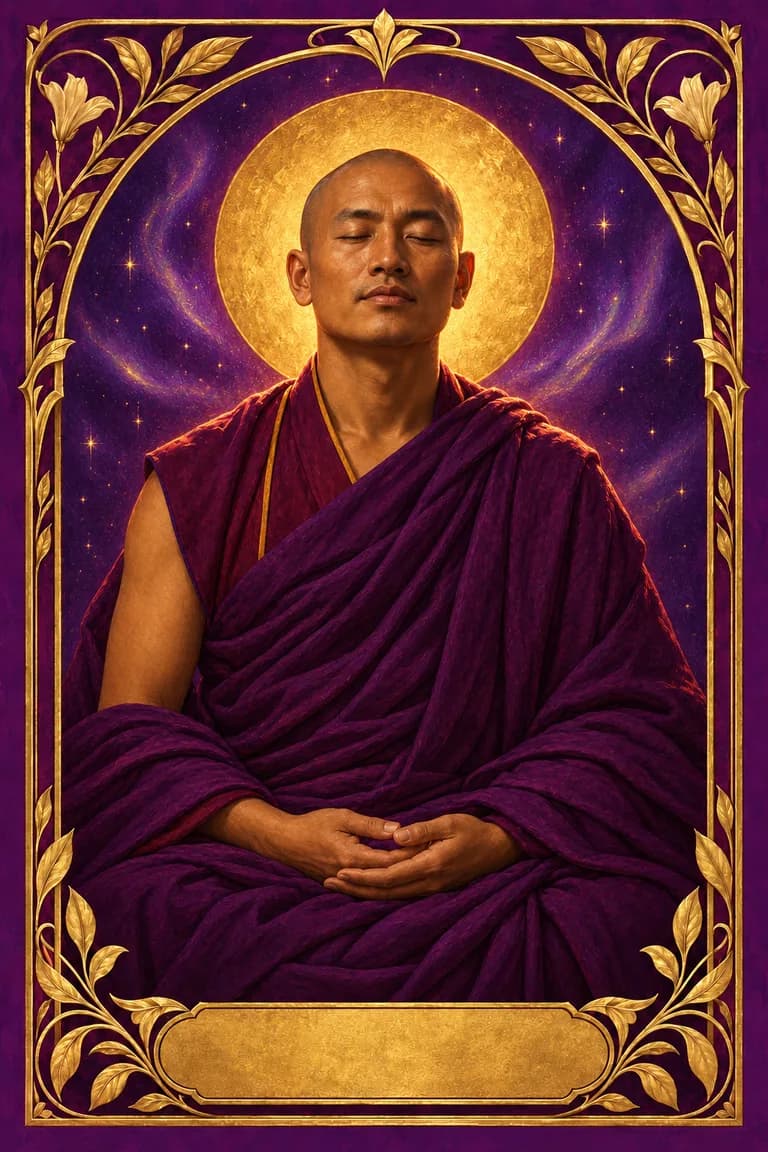
The Mystic
Listen where explanation gives way to wonder.
The feminine archetypes
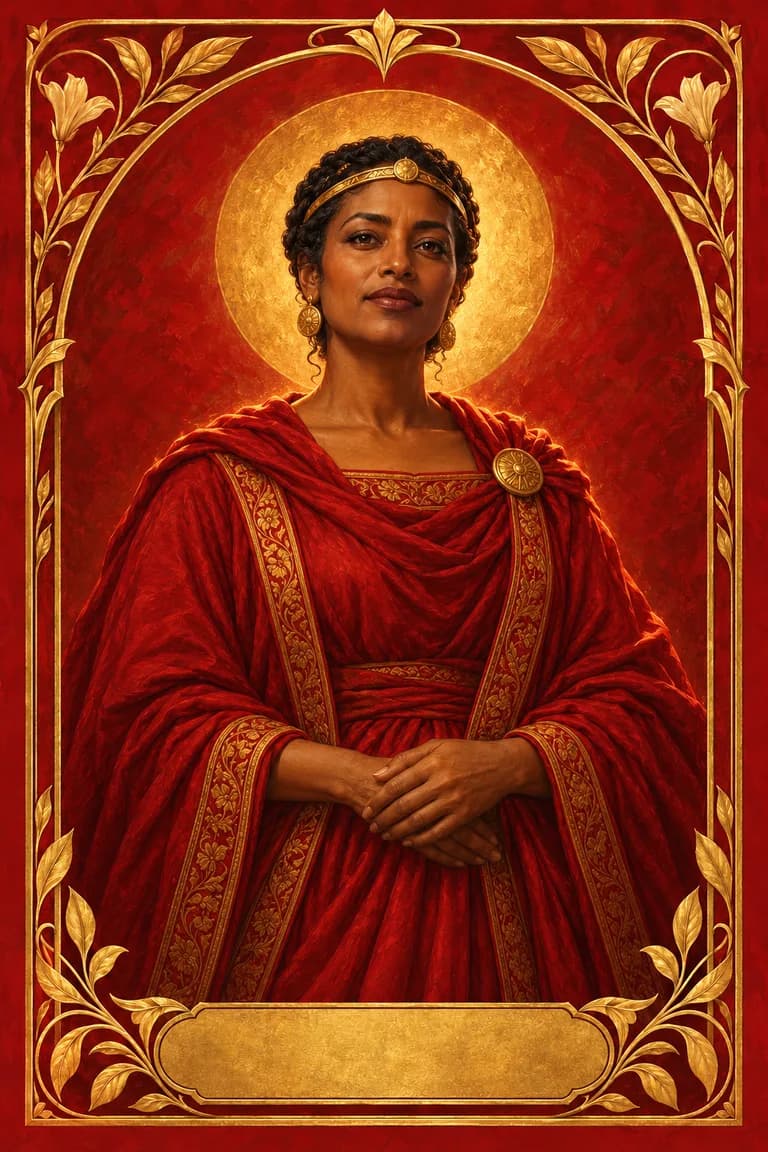
The Queen
Hold a centre where commitment can flourish.
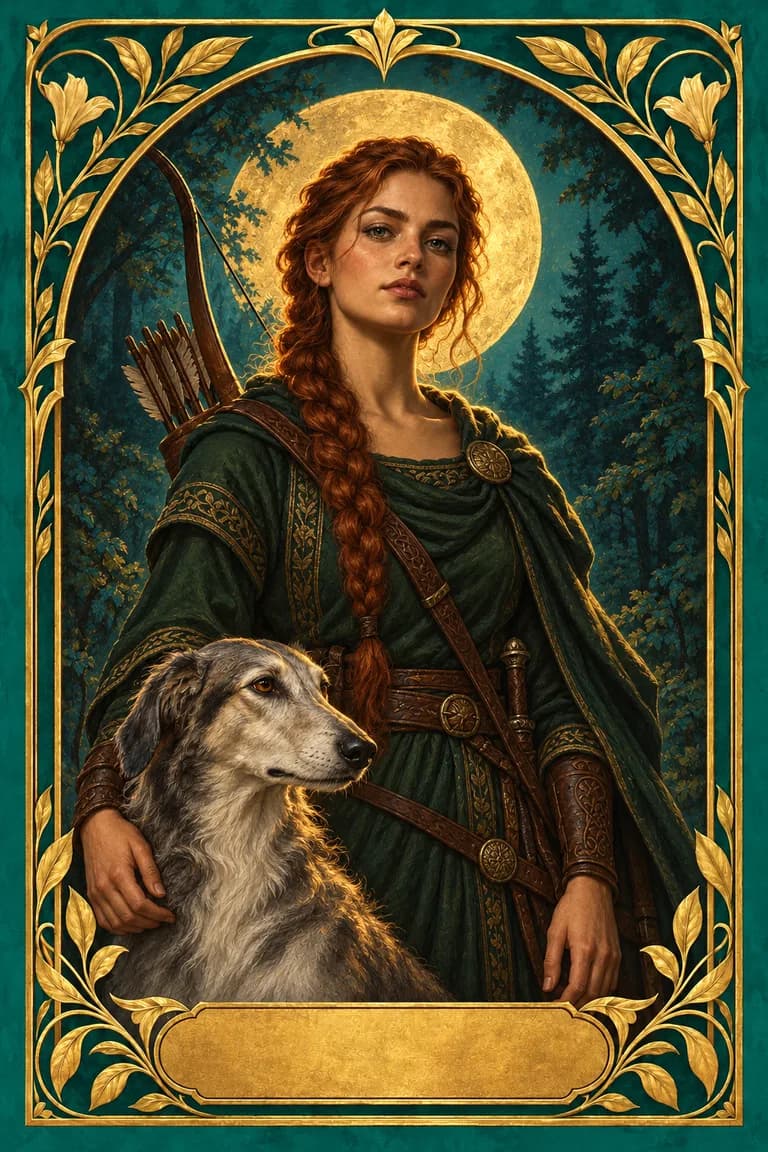
The Huntress
Choose your direction and trust your stride.
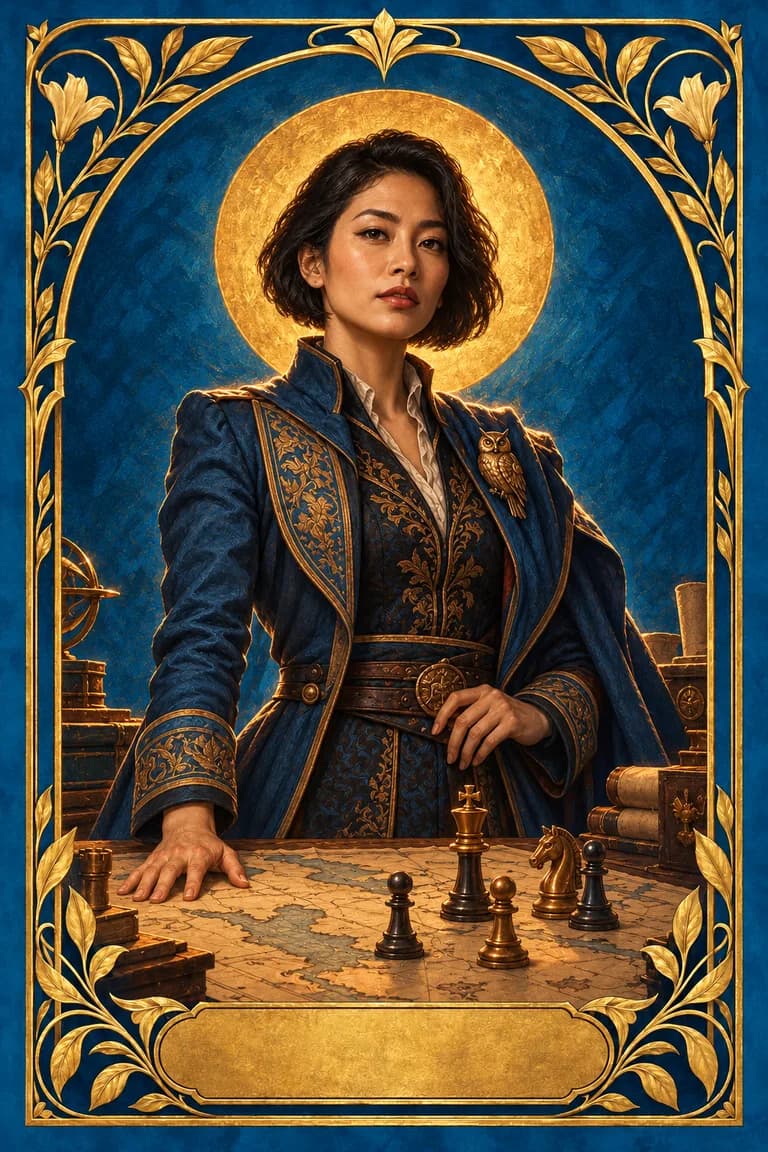
The Strategist
See the next move without losing the whole board.
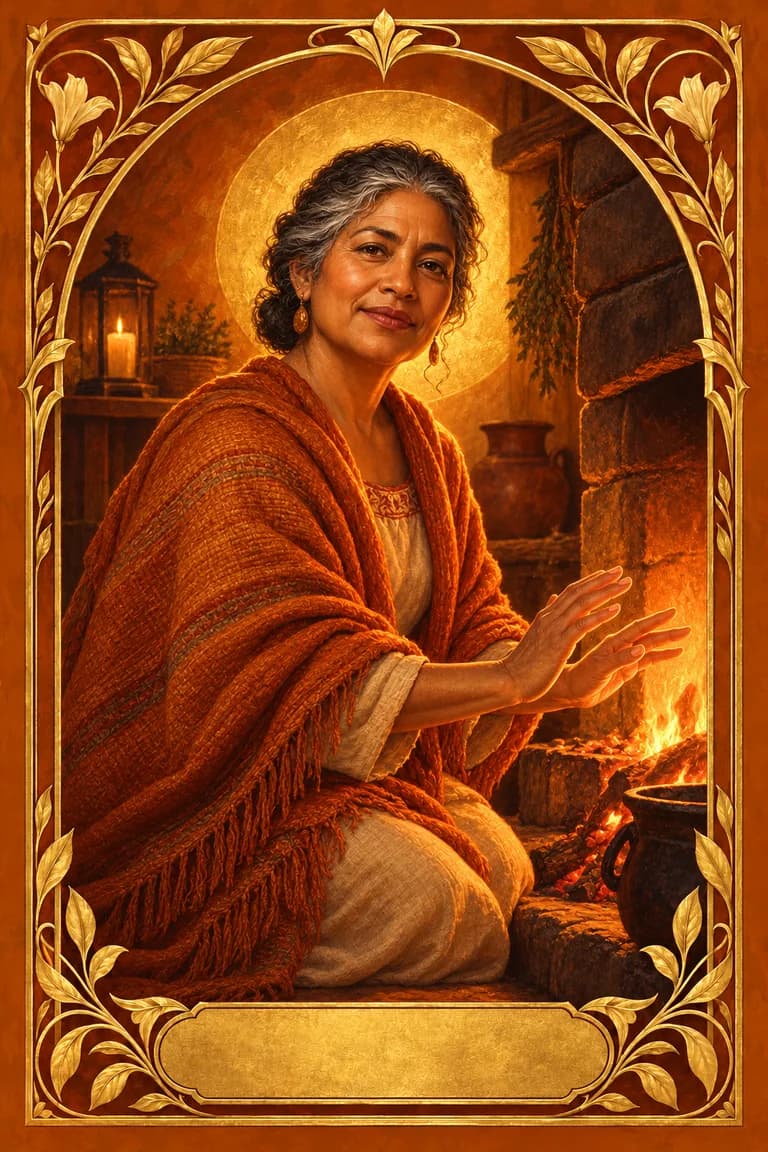
The Hearthkeeper
Make a quiet place where you can return to yourself.
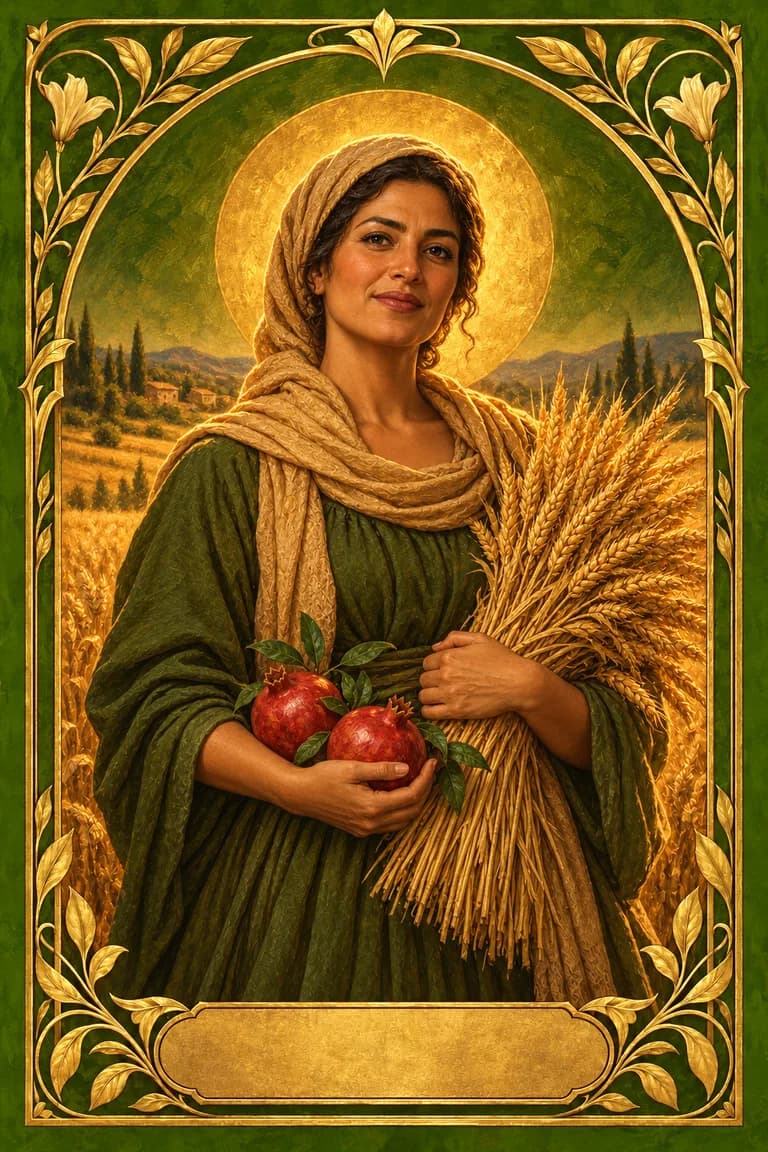
The Nurturer
Tend the conditions in which others can grow.
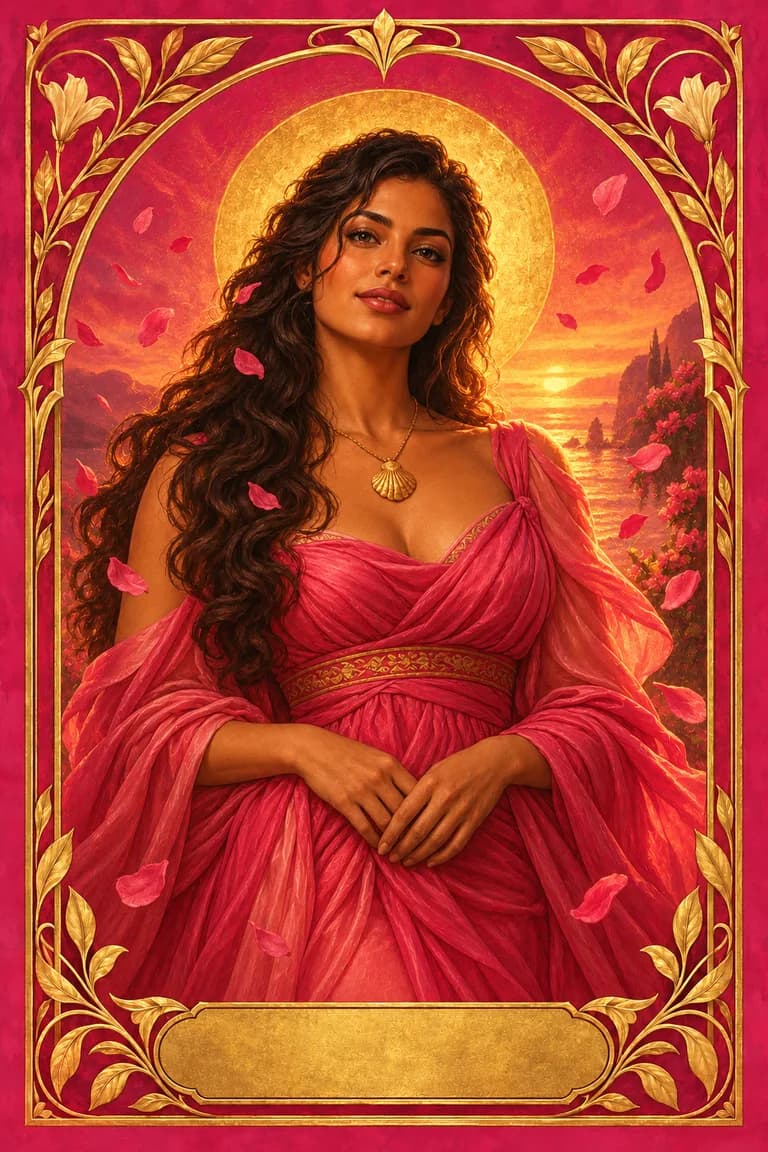
The Lover
Let connection change the quality of the moment.
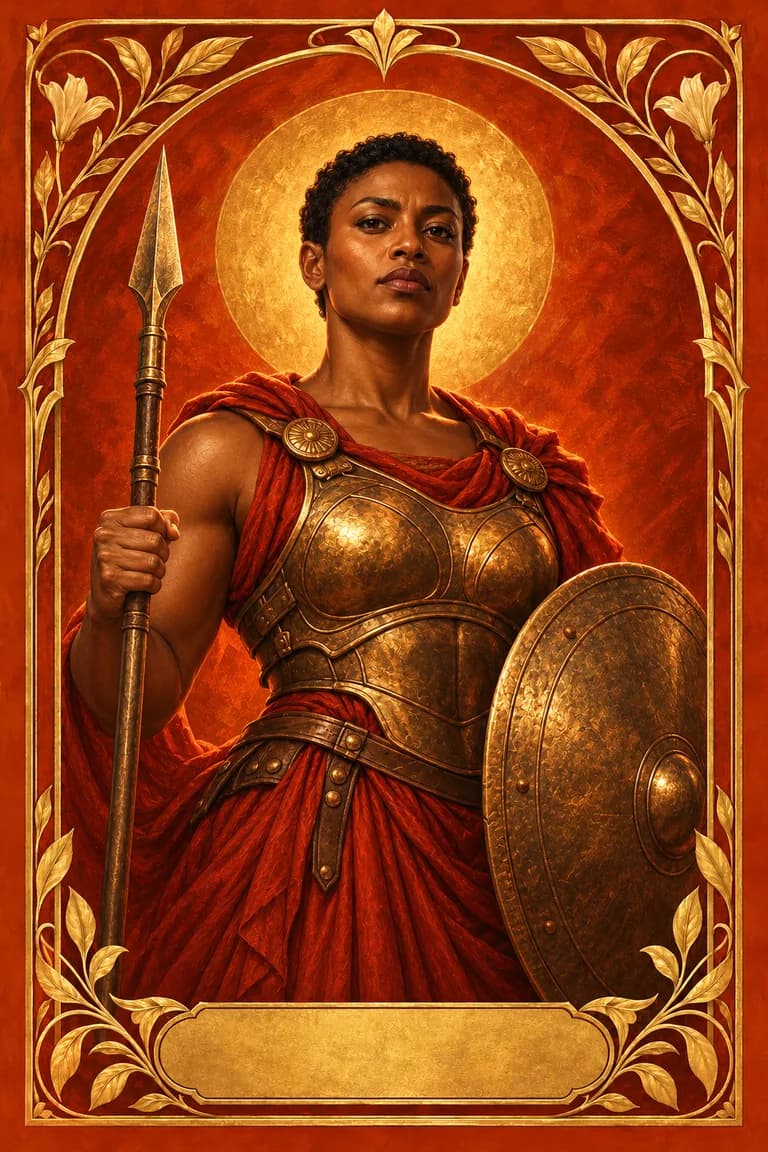
The Amazon
Stand firmly, and make room for others to stand.
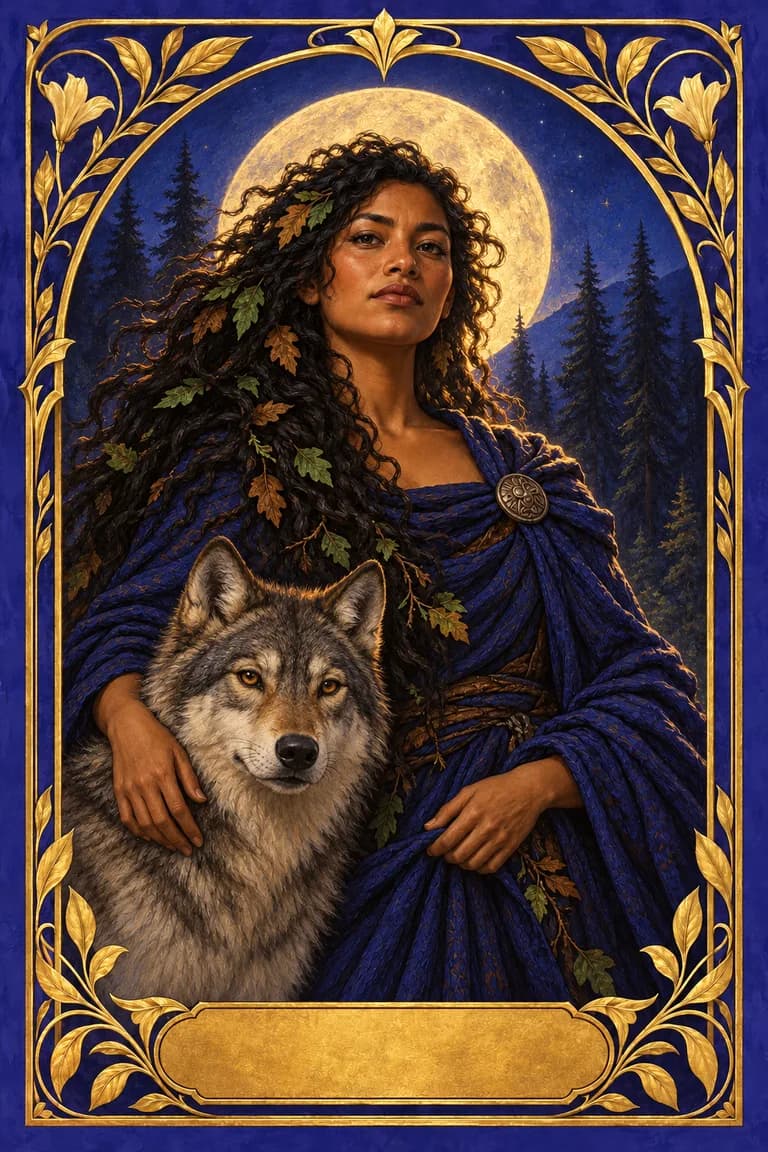
The Wild Woman
Remember the knowledge that lives in your senses.
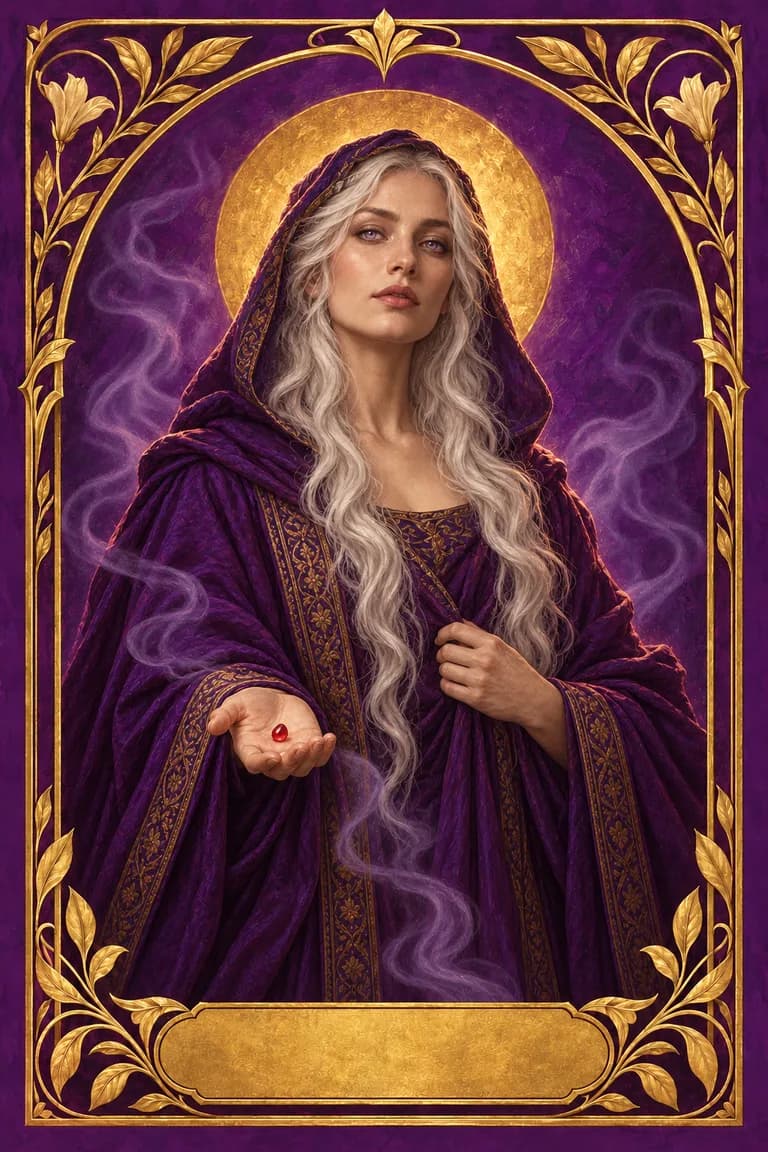
The Seer
Listen at the threshold of what can be named.
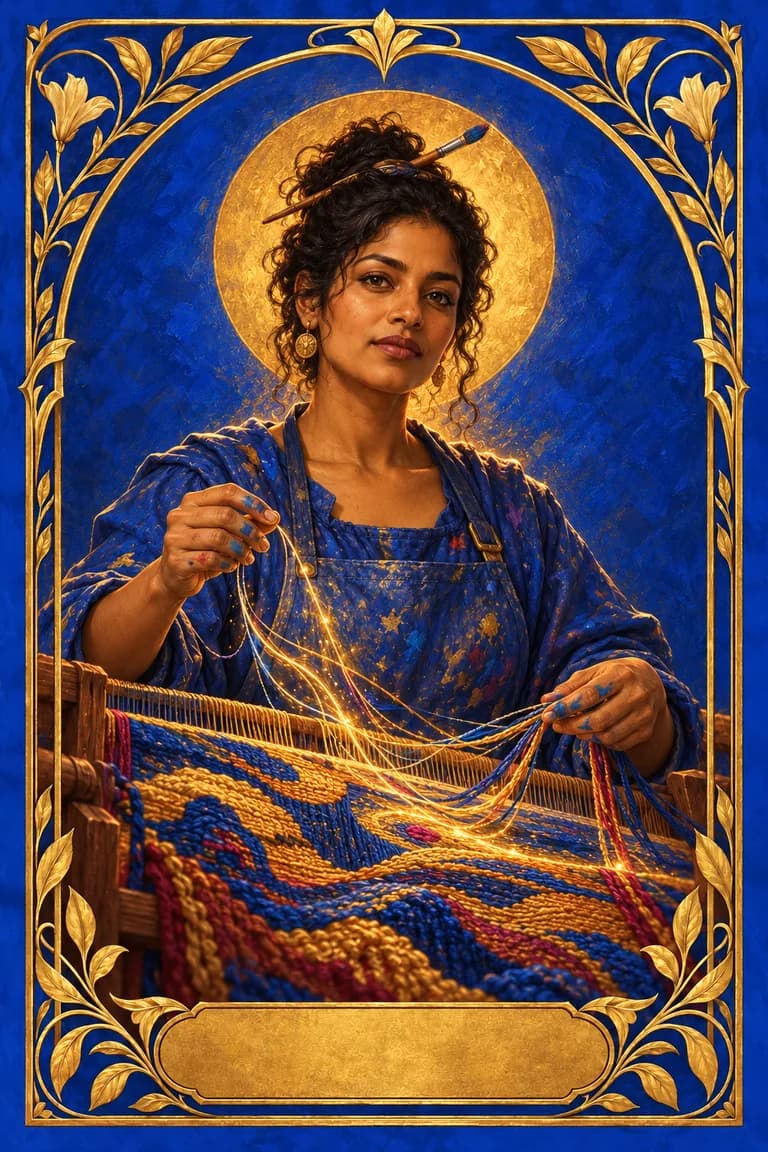
The Creatrix
Weave a form for what only you can yet see.
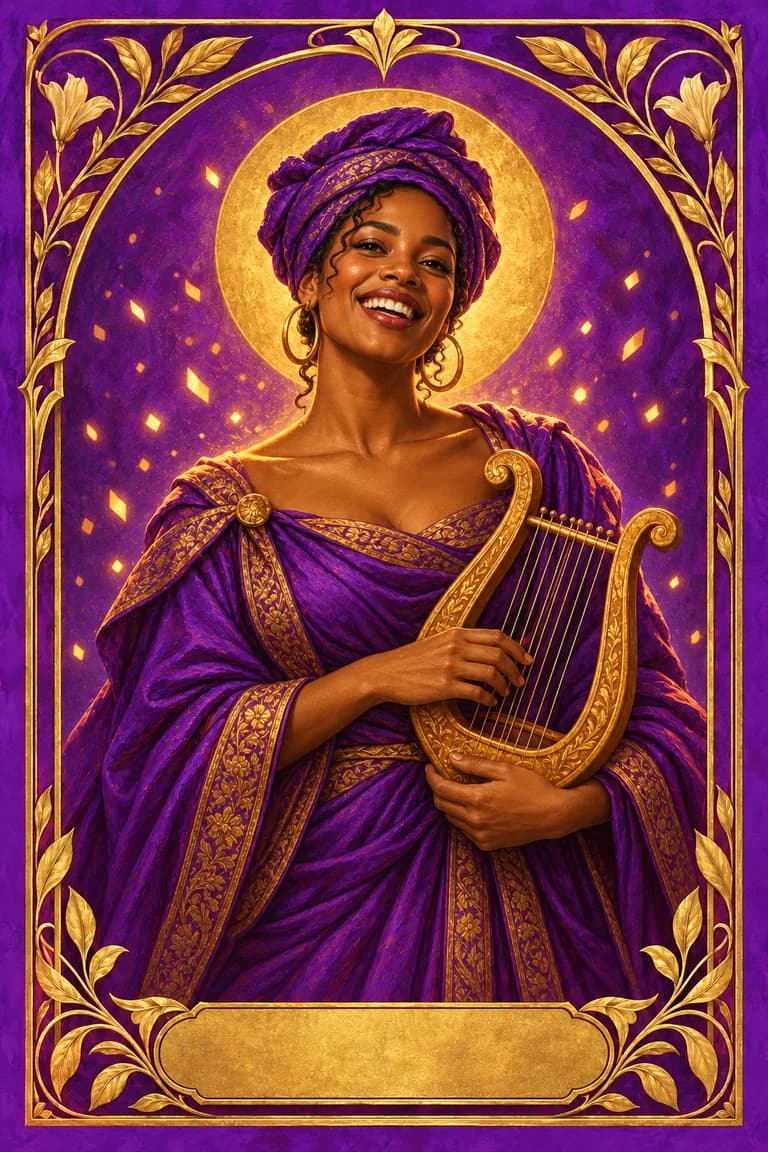
The Muse
Make the room lighter and the possibilities bolder.
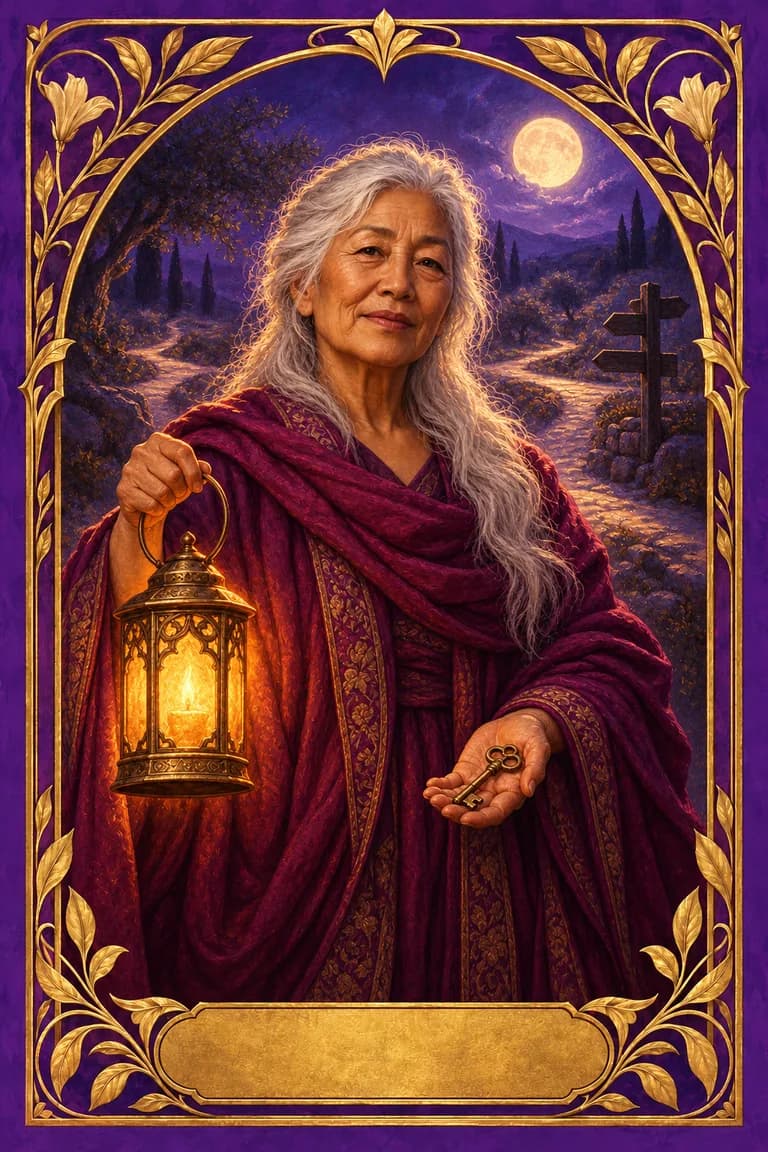
The Wise Woman
Carry the lantern without choosing another person's road.
III · Arkhē
Old stories. A living mirror.
An archetype is a recurring pattern in stories and human experience: the protector, the seeker, the maker. Carl Jung explored these patterns as images of the collective unconscious. Arkhē draws on Robert Moore and Douglas Gillette, Carol S. Pearson, Jean Shinoda Bolen, Toni Wolff and Clarissa Pinkola Estés. These traditions are lenses for reflection, not fixed categories or a scientific measure of personality.
IV · Arkhē
Questions about the test
What is an archetype?
An archetype is a recurring pattern in myths, stories and human behaviour, such as the ruler, the warrior or the wise woman. Carl Jung described archetypes as images of the collective unconscious. Later authors, among them Robert Moore, Douglas Gillette, Carol S. Pearson and Jean Shinoda Bolen, turned them into maps for self-reflection.
How does the Arkhē archetype test work?
You rate 48 short first-person statements on a five-point scale, from strongly disagree to strongly agree. Each statement belongs to one of twelve archetypes, four statements each. Your result ranks the twelve by the share of points they received. It opens on a card that merges your two strongest archetypes, with a short portrait written by an AI model, then shows your top three, all twelve and five trait bars. It takes about five minutes.
Where do the statements come from?
Every statement is an item of the International Personality Item Pool (ipip.ori.org), a public-domain collection of personality items used in research. Arkhē chose the items and assigned each one to an archetype. The French translations are ours.
What is the difference between the masculine and feminine archetypes?
The masculine test draws on Moore and Gillette's King, Warrior, Magician and Lover and on Carol S. Pearson. The feminine test draws on Jean Shinoda Bolen's goddesses, Toni Wolff's four forms and Clarissa Pinkola Estés' Wild Woman. Masculine and feminine name symbolic energies that every person carries, so both tests are open to everyone.
Is it a scientific or clinical test?
No. Arkhē is a tool for reflection, not a clinical or diagnostic assessment. The statements come from research, but the archetype framework is symbolic and has not been validated as a measure of personality. Your result describes the answers you gave today.
Is it free? Do I need an account?
The test is free and needs no account or e-mail address. Your progress stays in your browser tab, and the result link contains only your percentages, so you can keep it or share it.